
Substance Use Disorder Treatment in Denver

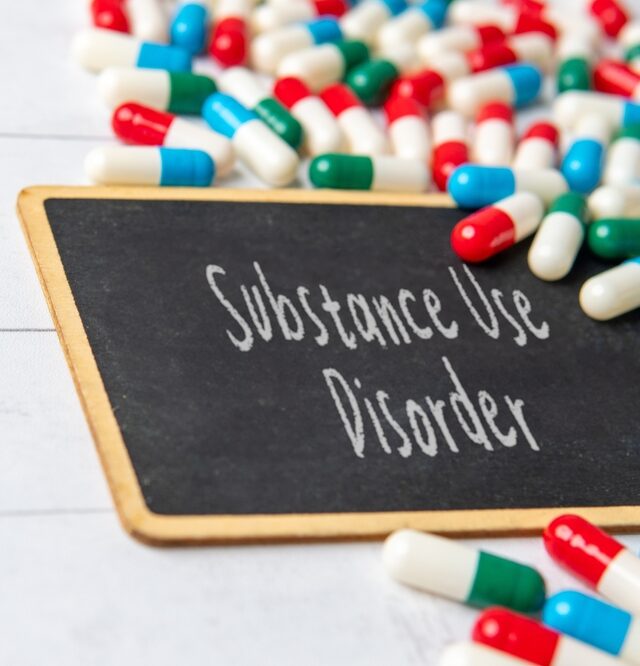
Recognizing the Symptoms of Substance Use Disorder
Substance Use Disorders (SUDs) occur when the repeated use of drugs or alcohol leads to significant problems in daily life, physical health, emotional well-being, or behavior. Individuals may continue using substances despite negative consequences such as difficulties at work or school, strained relationships, legal issues, or worsening physical or mental health. Common symptoms include cravings, loss of control over use, spending a great deal of time obtaining or using substances, and difficulty cutting back or stopping despite a desire to do so.
Substance use disorders can also involve tolerance (needing more of a substance to achieve the same effect) and withdrawal symptoms when use is reduced or stopped. Mood changes, increased irritability, anxiety, depression, or risky behaviors are also common. SUDs exist on a spectrum, ranging from mild to severe, and often co-occur with other mental health conditions. Importantly, substance use disorders are medical conditions—not moral failings—and effective treatment and recovery are possible.

Treatment for Substance Use Disorders
Dialectical Behavior Therapy (DBT) and Cognitive Behavioral Therapy (CBT) are evidence-based approaches that have been shown to be effective in treating substance use disorders. CBT helps individuals identify and change thought patterns and behaviors that contribute to substance use, such as coping with stress through substances or minimizing the consequences of use. Therapy focuses on developing healthier coping strategies, problem-solving skills, and relapse prevention techniques.
DBT is particularly helpful for individuals who use substances to manage intense emotions or distress. DBT teaches skills for emotion regulation, distress tolerance, mindfulness, and interpersonal effectiveness, helping individuals reduce reliance on substances as a coping mechanism. Treatment may also include medication-assisted treatment, support groups, and medical care, depending on individual needs. With comprehensive, consistent treatment, many individuals achieve meaningful recovery and improved quality of life.
Fees
Individual Sessions
(45-minutes)
/session
Parent Training Sessions
(45-minutes)
/session
Couples
(45-minutes)
/session
Adults DBT Groups Sessions
(2-hours)
/session for six months to 1-year
Multi-Family Skills Group
(2-hours)
/session for 24-weeks
Insurance
We do not accept insurance (most specialists do not), but many of our clients are able to get partial reimbursement from their insurance companies through their out-of-network benefits. We are happy to provide you with the necessary paperwork to submit an out-of-network claim to your insurance company.

Begin Your Healing Journey
At Mountainside Behavioral Health, we are committed to fostering a supportive and professional environment where clients feel seen, heard, and empowered on their path to healing.
Frequently Asked Questions
What is the difference between substance use and a substance use disorder?
Substance use becomes a disorder when it leads to ongoing problems, loss of control, and negative consequences despite attempts to stop.
Can substance use disorders occur alongside mental health conditions?
Yes. SUDs frequently co-occur with conditions such as depression, anxiety, trauma-related disorders, or personality disorders.
How do CBT and DBT help with substance use disorders?
CBT addresses thought and behavior patterns related to substance use, while DBT helps individuals manage emotions and distress without turning to substances.
Is recovery from a substance use disorder possible?
Yes. With evidence-based treatment and support, many individuals achieve long-term recovery and improved functioning.
Free Consultation -
Begin Your Healing Journey
At Mountainside Behavioral Health, we are committed to fostering a supportive and professional environment where clients feel seen, heard, and empowered on their path to healing.