
Bipolar Disorder Treatment in Denver

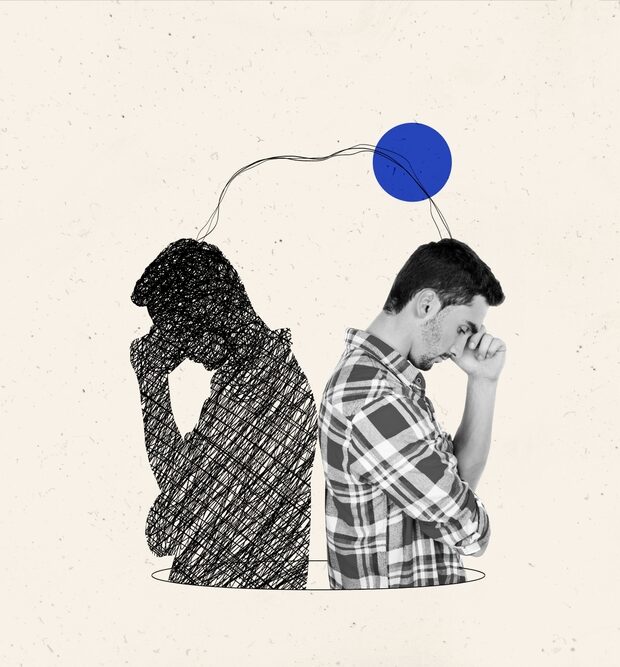
Understanding Bipolar Disorder Symptoms
Bipolar disorder is a mental health condition characterized by extreme shifts in mood, energy, and activity levels. Individuals experience episodes of mania or hypomania—periods of elevated or irritable mood, increased energy, reduced need for sleep, rapid thinking, impulsive behavior, and inflated self-confidence—as well as episodes of depression marked by low mood, fatigue, loss of interest, difficulty concentrating, and feelings of hopelessness. These mood episodes are more intense and longer-lasting than typical mood changes and can significantly disrupt daily functioning.
The pattern, duration, and intensity of symptoms vary from person to person. During manic or hypomanic episodes, individuals may take risks that have serious consequences for relationships, finances, or health. Depressive episodes can interfere with work, self-care, and emotional well-being. Because symptoms can fluctuate, bipolar disorder is sometimes misunderstood or misdiagnosed, but with proper assessment and treatment, individuals can achieve stability and improved quality of life.

How CBT Supports Bipolar Disorder Treatment
Cognitive Behavioral Therapy (CBT) is an effective, evidence-based therapy used as part of a comprehensive treatment approach for bipolar disorder. CBT helps individuals recognize early warning signs of mood shifts, identify unhelpful thought patterns, and develop strategies to manage stressors that can trigger manic or depressive episodes. Therapy also supports healthier routines, improved sleep habits, and more consistent daily structure, which are important for mood stability.
CBT is often used alongside medication management to optimize treatment outcomes. While medication helps regulate mood biologically, CBT addresses the psychological and behavioral components of bipolar disorder. Through therapy, individuals learn coping skills that support long-term stability, reduce relapse risk, and improve functioning across relationships, work, and daily life.
Fees
Individual Sessions
(45-minutes)
/session
Parent Training Sessions
(45-minutes)
/session
Couples
(45-minutes)
/session
Adults DBT Groups Sessions
(2-hours)
/session for six months to 1-year
Multi-Family Skills Group
(2-hours)
/session for 24-weeks
Insurance
We do not accept insurance (most specialists do not), but many of our clients are able to get partial reimbursement from their insurance companies through their out-of-network benefits. We are happy to provide you with the necessary paperwork to submit an out-of-network claim to your insurance company.

Begin Your Healing Journey
At Mountainside Behavioral Health, we are committed to fostering a supportive and professional environment where clients feel seen, heard, and empowered on their path to healing.
Frequently Asked Questions
What is the difference between bipolar disorder and regular mood swings?
Bipolar disorder involves distinct mood episodes that are more intense, last longer, and significantly interfere with daily functioning.
Are there different types of bipolar disorder?
Yes. The most common types include Bipolar I, Bipolar II, and Cyclothymic Disorder, each differing in the severity and pattern of mood episodes.
How does CBT help people with bipolar disorder?
CBT helps individuals manage thoughts and behaviors that influence mood, recognize early warning signs, and reduce the impact of stress and triggers.
Can people with bipolar disorder live stable lives?
Yes. With appropriate treatment and support, many individuals with bipolar disorder lead stable, fulfilling lives.
Free Consultation -
Begin Your Healing Journey
At Mountainside Behavioral Health, we are committed to fostering a supportive and professional environment where clients feel seen, heard, and empowered on their path to healing.